Insulated / Double glazed glass
category : Architectural glass
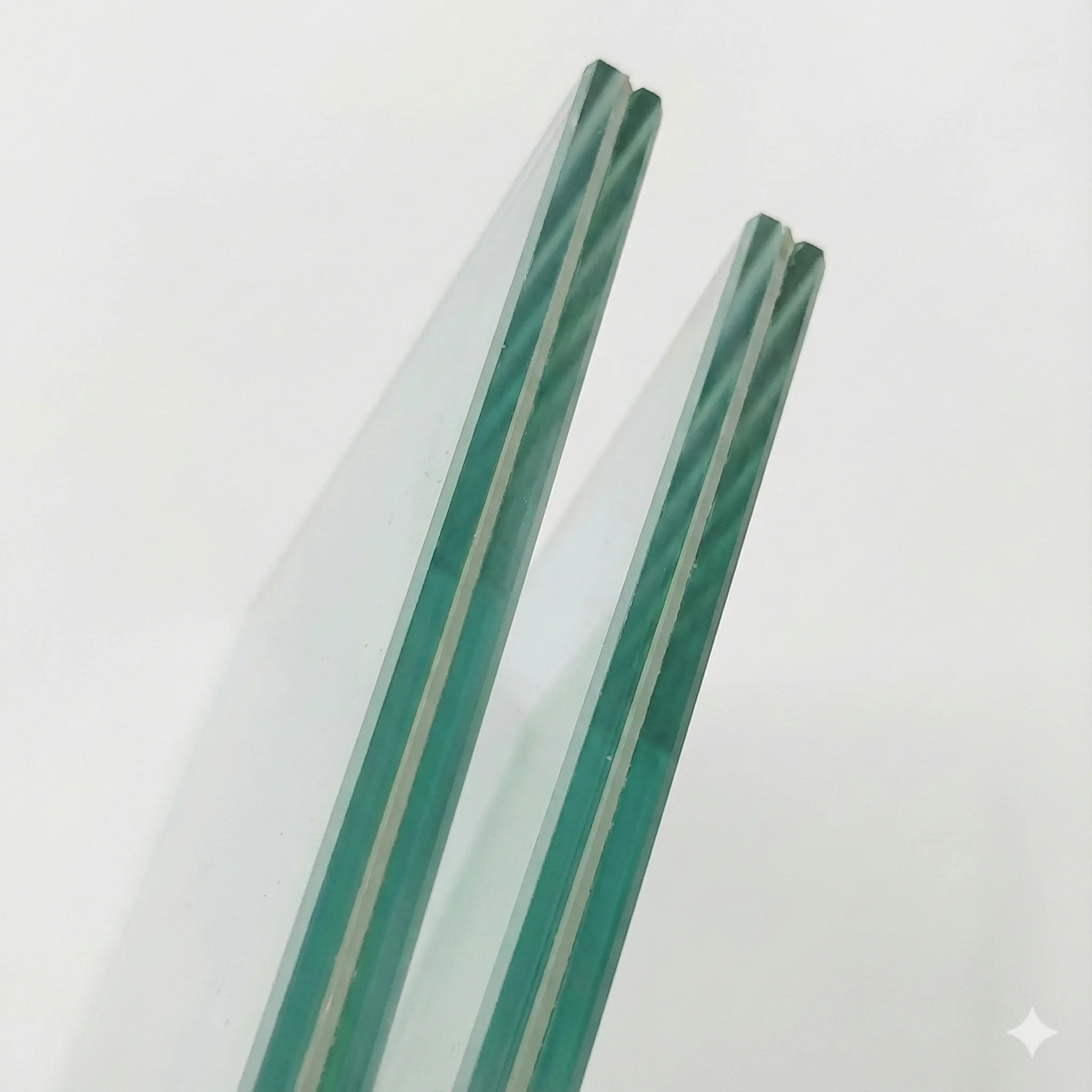
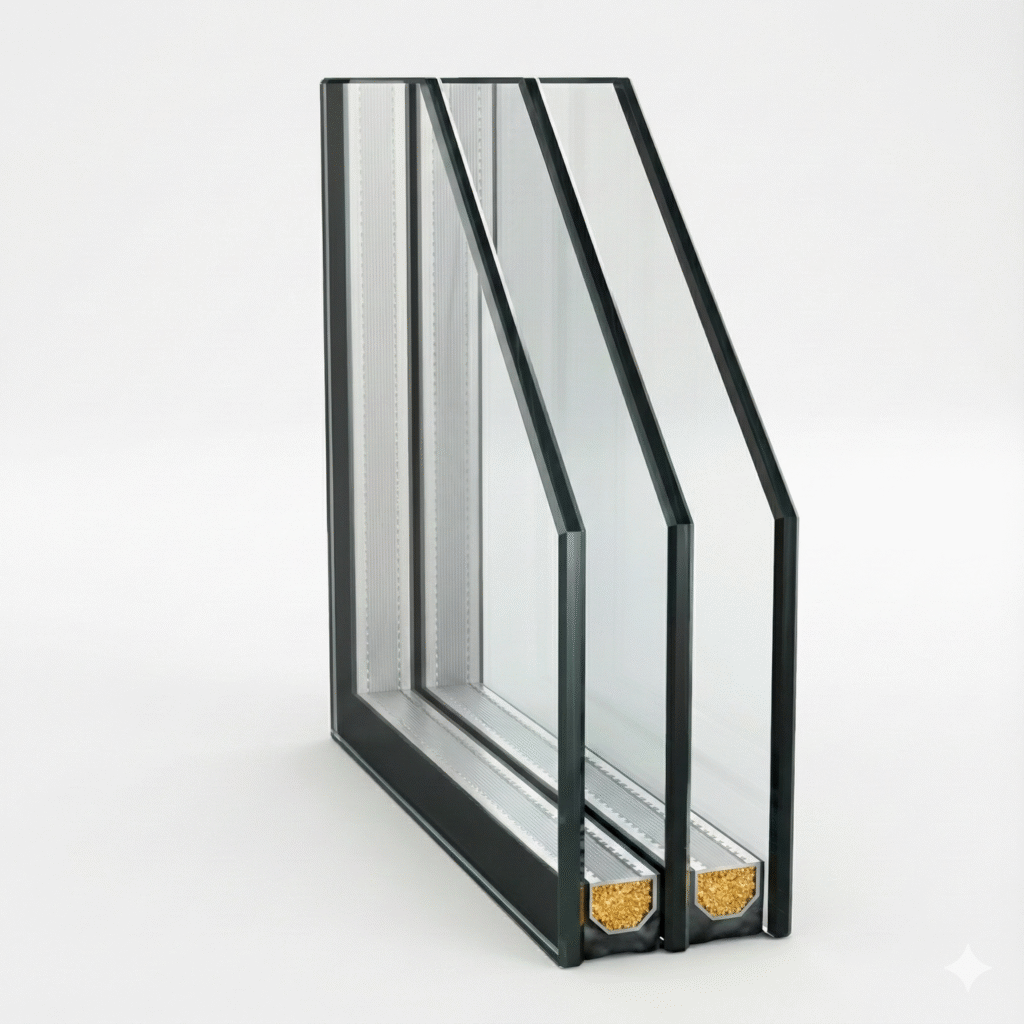
Insulated or Double Glazed Glass uses two glass panes with an air or gas-filled gap to deliver superior thermal insulation. It keeps interiors cooler in summer and warmer in winter, reducing energy consumption. This advanced glass option also minimizes noise, offering greater comfort and efficiency for modern buildings.
Insulated or Double Glazed Glass consists of two glass panes separated by an air or gas-filled spacer to deliver exceptional thermal insulation. It helps maintain stable indoor temperatures by minimizing heat transfer between exterior and interior environments. This energy-efficient glazing reduces electricity consumption, making it ideal for both residential and commercial buildings. Double glazed units also provide strong noise reduction, creating peaceful indoor spaces even in busy locations. They prevent condensation, improve comfort, and enhance overall building performance. The sealed unit offers long-lasting durability with excellent weather resistance. With various glass types, coatings, and thickness options, it can be customized for any architectural need. Its combination of energy savings, clarity, and strength makes it a preferred modern glazing solution.
- Standard: Custom cut-to-size based on project requirements
- Maximum size: Up to 3000 mm × 6000 mm
- Minimum size: As small as 300 mm × 300 mm
- Residential and commercial windows & doors
- Skylights, facades, and curtain wall systems
- Soundproof rooms, studios, and office cabins
- Energy-efficient buildings and green architecture
- Hotels, hospitals, and premium interiors
- Excellent thermal insulation
- Significant noise reduction
- Lower energy bills
- Reduced condensation
- Enhanced comfort and climate control
- Composition: Two glass panes with air/argon gas-filled cavity
- Spacer thickness: 6 mm to 20 mm
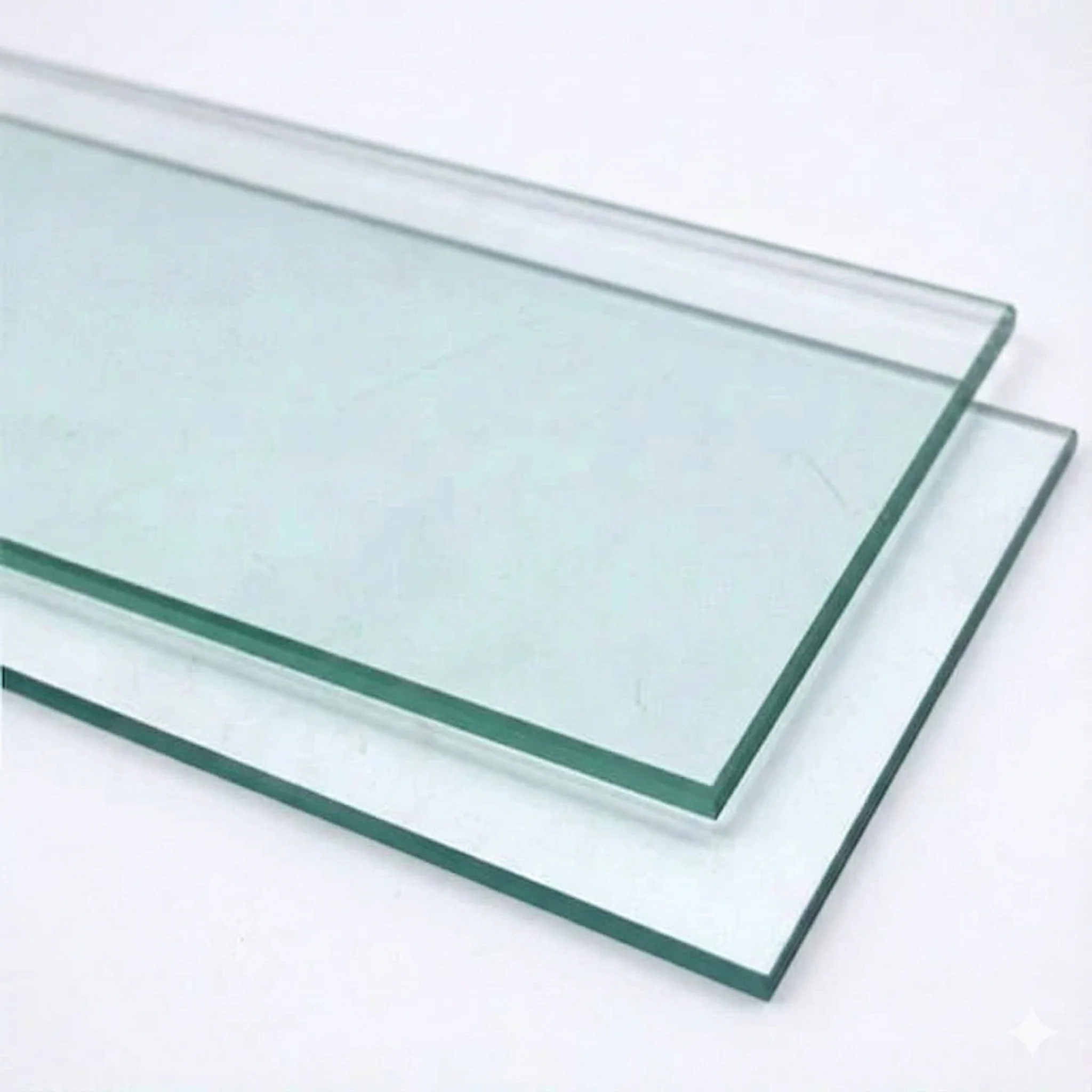
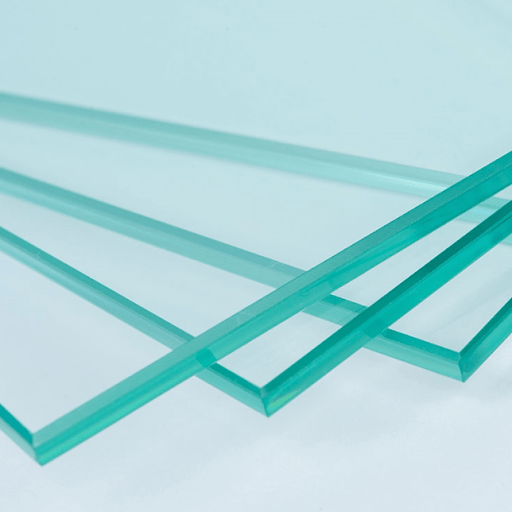
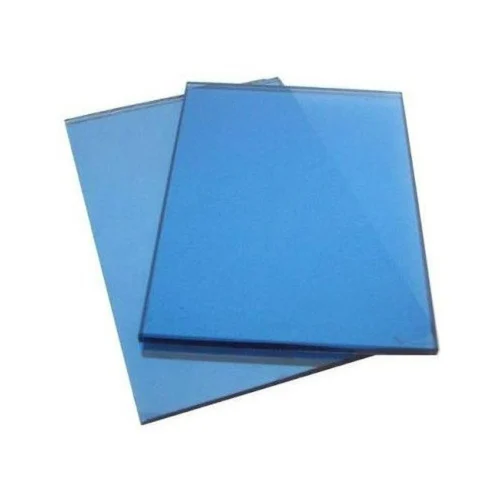
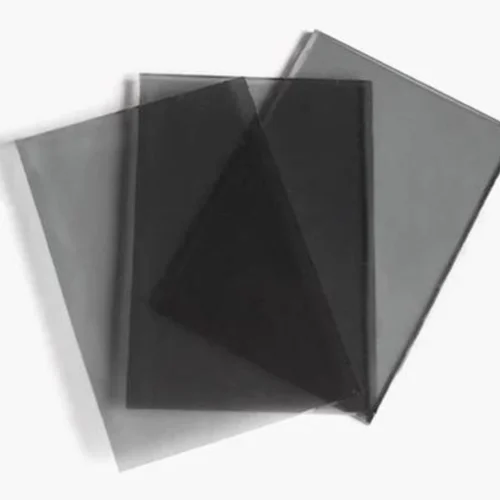
- Glass types: Clear, tinted, reflective, low-E, toughened, laminated
- U-Value (approx.): 1.1 – 2.8 W/m²K depending on configuration
- Acoustic rating: Up to 35–45 dB
- Standards: EN 1279, IS 16544, ASTM E2190
faq
What is Insulated or Double Glazed Glass?
Insulated or Double Glazed Glass consists of two glass panes separated by an air or gas-filled gap to improve thermal insulation, reduce noise, and enhance energy efficiency.
How does double glazed glass reduce electricity bills?
By minimizing heat transfer, it keeps interiors cooler in summer and warmer in winter, reducing the load on air-conditioners and heaters, which directly lowers energy consumption.
Can double glazed glass reduce outside noise?
Yes. The air or argon-filled cavity acts as a sound barrier, significantly reducing external noise, making it ideal for homes near highways, airports, or busy streets.
Is insulated glass suitable for all weather conditions?
Absolutely. Double glazed glass offers excellent weather resistance, preventing heat loss, condensation, and drafts in both hot and cold climates.
Where is insulated glass commonly used?
It is widely used in windows, doors, facades, skylights, soundproof rooms, office cabins, hotels, hospitals, and energy-efficient green buildings.
application photos
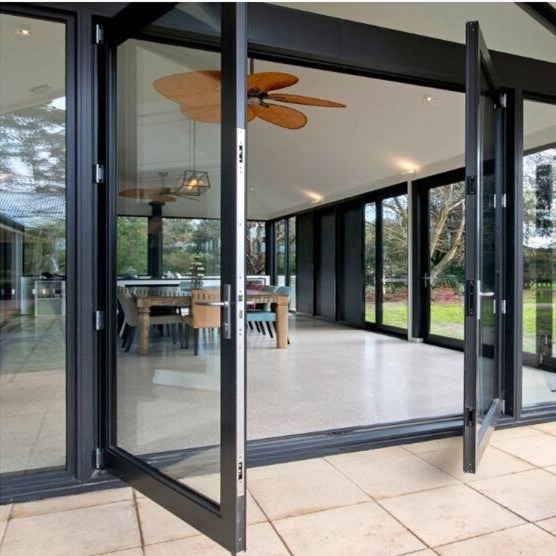
Toughened glass is widely used in residential and commercial windows and doors for its exceptional safety, clarity, and impact resistance. It provides a modern, clean appearance that enhances both exterior and interior architecture. Homeowners prefer toughened glass because it is heat-treated, making it much stronger than regular glass and ideal for daily usage. In commercial buildings, toughened glass doors support high foot traffic while maintaining long-lasting durability. Its shatter-safe property ensures that even if broken, it crumbles into small blunt pieces, reducing the risk of injury. The glass allows maximum natural light to enter, improving energy efficiency and comfort. It comes in various finishes—clear, tinted, frosted, reflective—making it adaptable to any design style. Toughened glass windows also provide excellent weather resistance, ensuring stability under strong wind and temperature changes. Offices benefit from its sound-reducing nature, creating quieter workspaces. With low maintenance needs and high scratch resistance, it remains clear and fresh for years. Its versatility makes it the ideal choice for modern window and door systems.
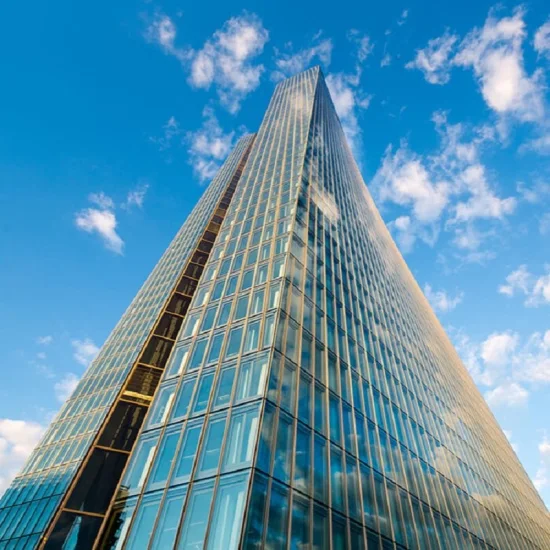
Toughened glass is a preferred material for skylights, facades, and curtain wall systems due to its strength, safety, and ability to withstand environmental pressures. Skylights made with toughened glass allow natural light to flood interiors while resisting heat and UV exposure. Facades use this glass to create a sleek, premium appearance that enhances a building’s architectural identity. Curtain wall systems rely on toughened glass to support wide, uninterrupted glass structures that perform well against heavy winds and impact. Its heat-treated surface ensures long-term durability, making it suitable for high-rise and commercial projects. Toughened glass also supports energy-efficient coatings like Low-E or reflective films, improving thermal control. It offers excellent clarity, ensuring bright, visually appealing spaces. With multiple thicknesses available, it can handle structural loads effectively. Toughened glass is also resistant to scratches, stains, and weather erosion. Architects favor it for its flexibility, aesthetics, and performance. It contributes to sustainable, modern, and visually striking building envelopes.
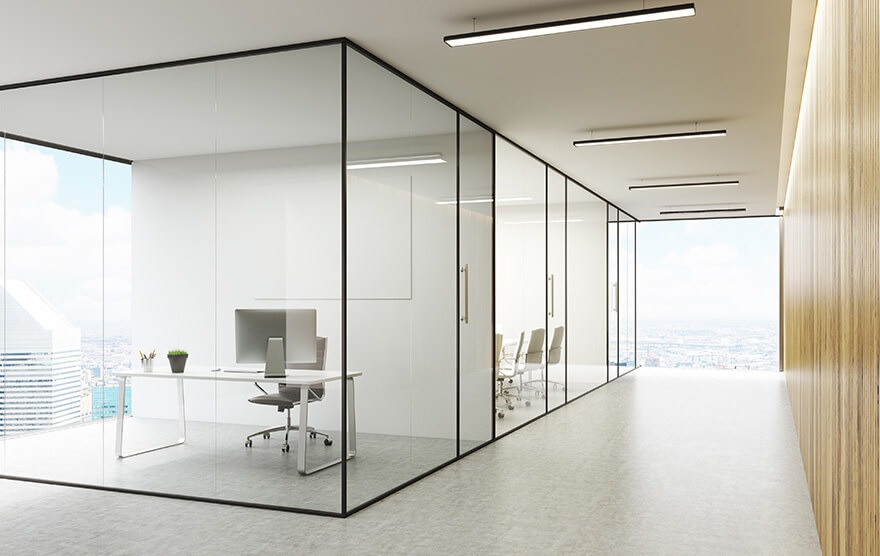
Toughened glass is essential for soundproof rooms, studios, and office cabins, offering acoustic comfort without sacrificing transparency or design. Its dense, heat-treated structure minimizes noise transfer, making it ideal for recording rooms, conference spaces, and corporate environments. Toughened glass partitions allow natural light to flow through, creating bright and open interiors while maintaining privacy through tinted or frosted finishes. Offices benefit from reduced distractions, improving focus and productivity. Unlike regular glass, toughened glass withstands daily use, impacts, and vibrations without cracking. It is also highly resistant to scratches and stains, ensuring long-lasting clarity. Studios prefer toughened glass for its acoustic performance and modern aesthetic. It supports sliding, frameless, and modular partition designs, giving flexibility in space planning. The shatter-safe nature adds an extra layer of workplace safety. Installation is quick, lightweight, and structurally stable. Overall, toughened glass enhances sound-controlled environments with durability, style, and efficiency.
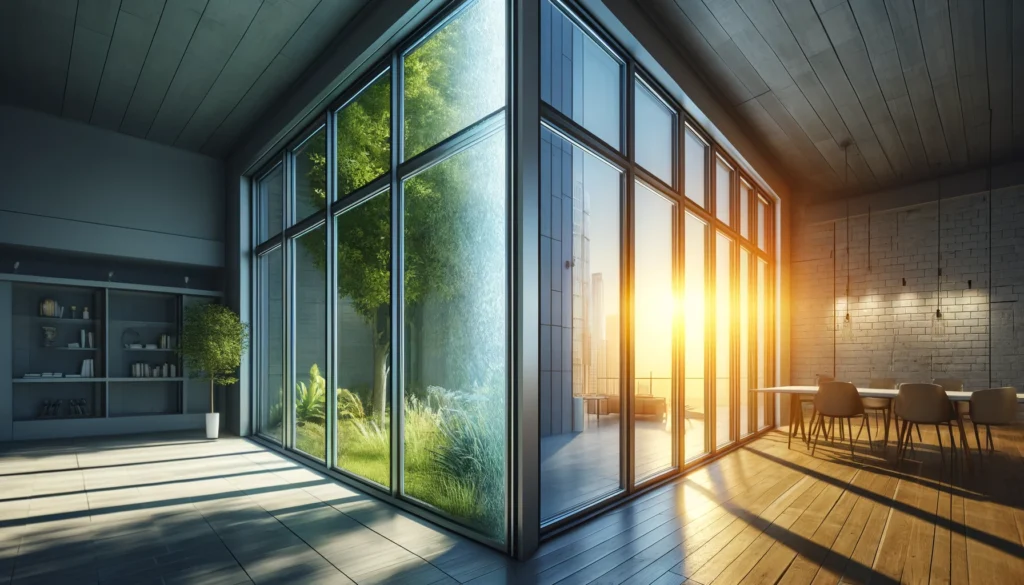
Toughened glass plays a major role in energy-efficient buildings and green architecture, helping reduce heat transfer and improve overall sustainability. Its ability to withstand temperature changes makes it suitable for eco-friendly construction designs. When combined with Low-E coatings or double glazing, toughened glass significantly improves thermal insulation, reducing air-conditioning and heating requirements. It allows ample natural light, lowering the need for artificial lighting and minimizing energy usage. Toughened glass is also environmentally friendly due to its long lifespan and recyclability. Green buildings use it for windows, facades, partitions, and skylights to maximize energy savings. Its clarity and strength enable large glass surfaces that maintain structural safety. Architects appreciate its ability to balance aesthetics, performance, and environmental responsibility. Toughened glass contributes to LEED-certified and sustainable construction projects. With enhanced durability, it withstands harsh weather and UV exposure without degrading. This makes it a perfect choice for future-ready, energy-conscious building solutions.
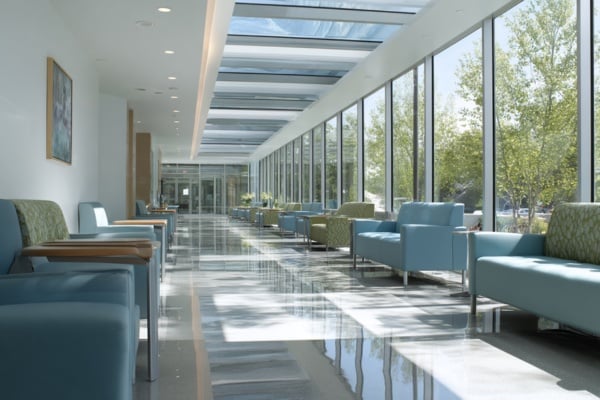
Toughened glass is widely used in hotels, hospitals, and premium interiors for its safety, hygiene, and luxurious appearance. In hospitality spaces, toughened glass enhances lobbies, partitions, shower areas, and decorative elements with a clean, modern finish. Its scratch-resistant and stain-resistant properties make it ideal for high-traffic environments. In hospitals, toughened glass is preferred for its easy-to-clean, germ-resistant surface, promoting better hygiene and sanitation. Its shatter-safe design ensures added safety for patients, staff, and visitors. Premium interiors benefit from its clarity, strength, and ability to blend with metal, wood, and modern architectural themes. Toughened glass supports frosted, tinted, and laminated variations, allowing designers to create elegant spaces. It improves light flow, contributing to brighter, more welcoming interiors. The material’s durability makes it long-lasting and cost-effective. Hotels rely on it for both structural and decorative applications. Hospitals depend on it for secure, hygienic, and reliable performance. Toughened glass elevates luxury interiors with function and beauty.