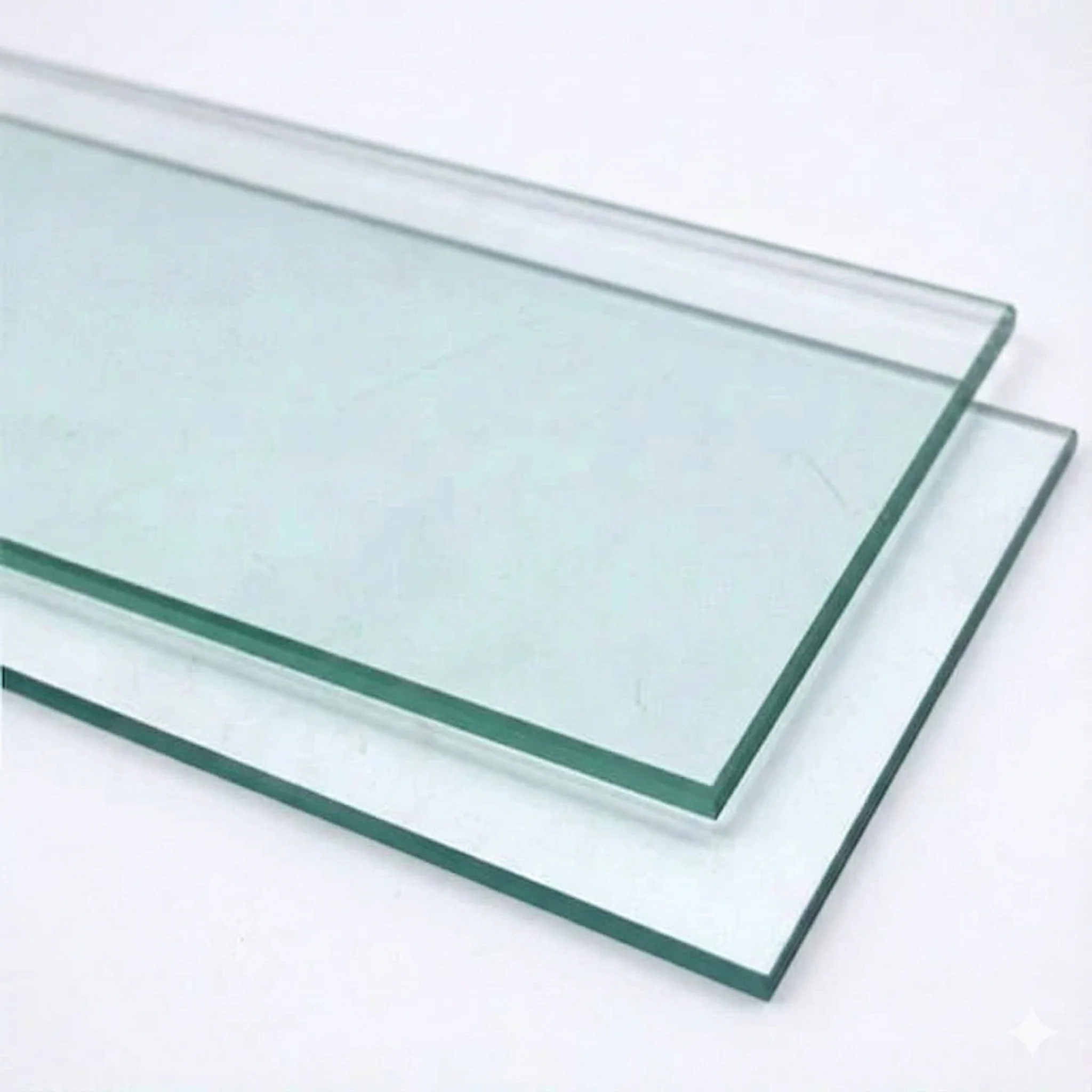
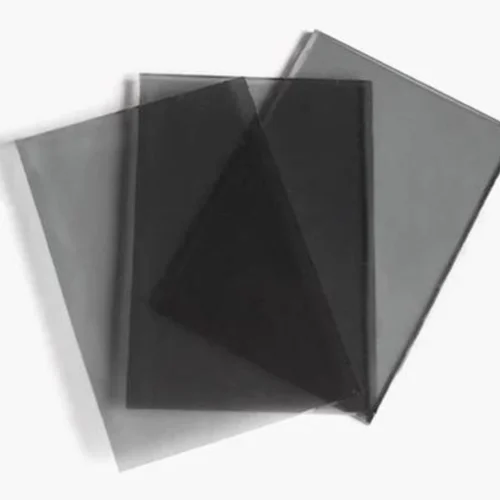
tinted glass
category : architectural & structural glass
Tinted glass is a heat-absorbing architectural glass designed to reduce glare, block heat, and improve indoor comfort. Its stylish appearance, energy efficiency, and performance make tinted glass a premium choice for modern façades and interiors.
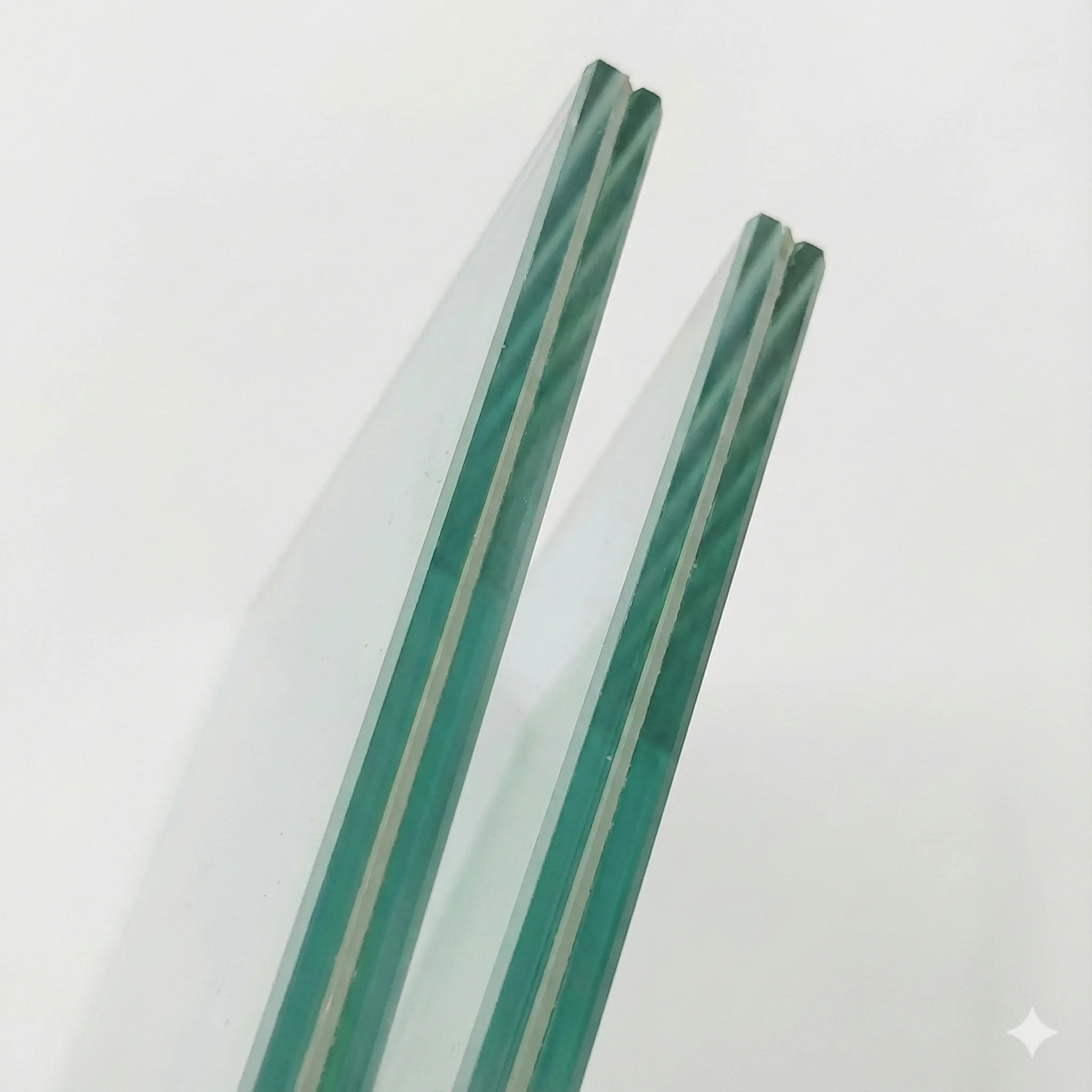
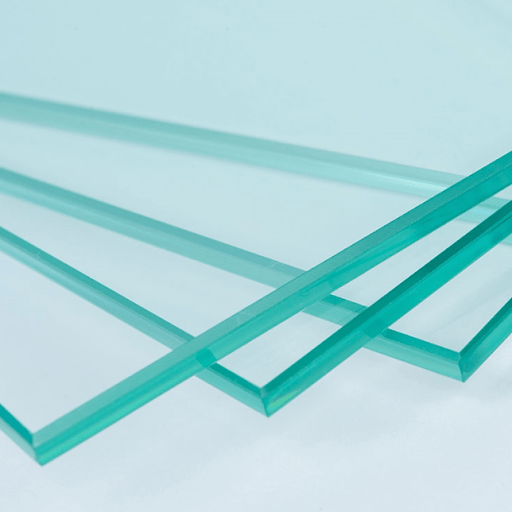
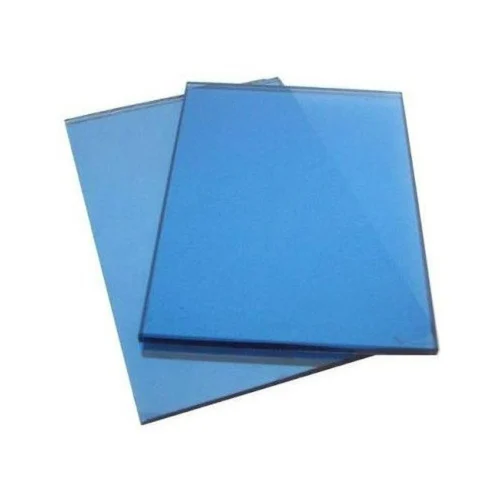
Tinted glass is a high-performance architectural glazing solution engineered to control heat, reduce glare, and enhance building aesthetics. Manufactured by adding metal oxides during production, it absorbs a significant portion of solar heat, keeping interiors cooler and more comfortable. Its UV-blocking capability protects furniture, artworks, and fabrics from fading over time. Tinted glass also offers visual privacy by minimizing visibility from the outside while maintaining clear inside views. Its sleek, sophisticated look improves façades, windows, and interiors with a premium finish. The glass reduces dependence on artificial cooling, contributing to better energy efficiency. Available in multiple shades like grey, bronze, blue, and green, it suits a wide range of design styles. Overall, tinted glass is a durable, visually appealing, and sustainable glazing choice for modern construction.
3mm, 4mm, 5mm, 6mm, 8mm, 10mm, 12mm
Standard sheet size: 1220 × 2440 mm, 1830 × 2440 mm, 2140 × 3050 mm
Custom sizes available on request
- Building façades and sun-facing windows
- Skylights, balconies, and shading panels
- Office towers, commercial glazing, and curtain walls
- Interior partitions, decorative panels, and feature walls
- Storefronts, shop displays, and retail showrooms
- Reduces solar heat and improves indoor comfort
- Blocks harmful UV rays
- Minimizes glare for better visibility
- Enhances privacy without reducing natural light
- Adds aesthetic value with modern tinted shades
- Energy-efficient and eco-friendly
- Strong, durable, and long-lasting
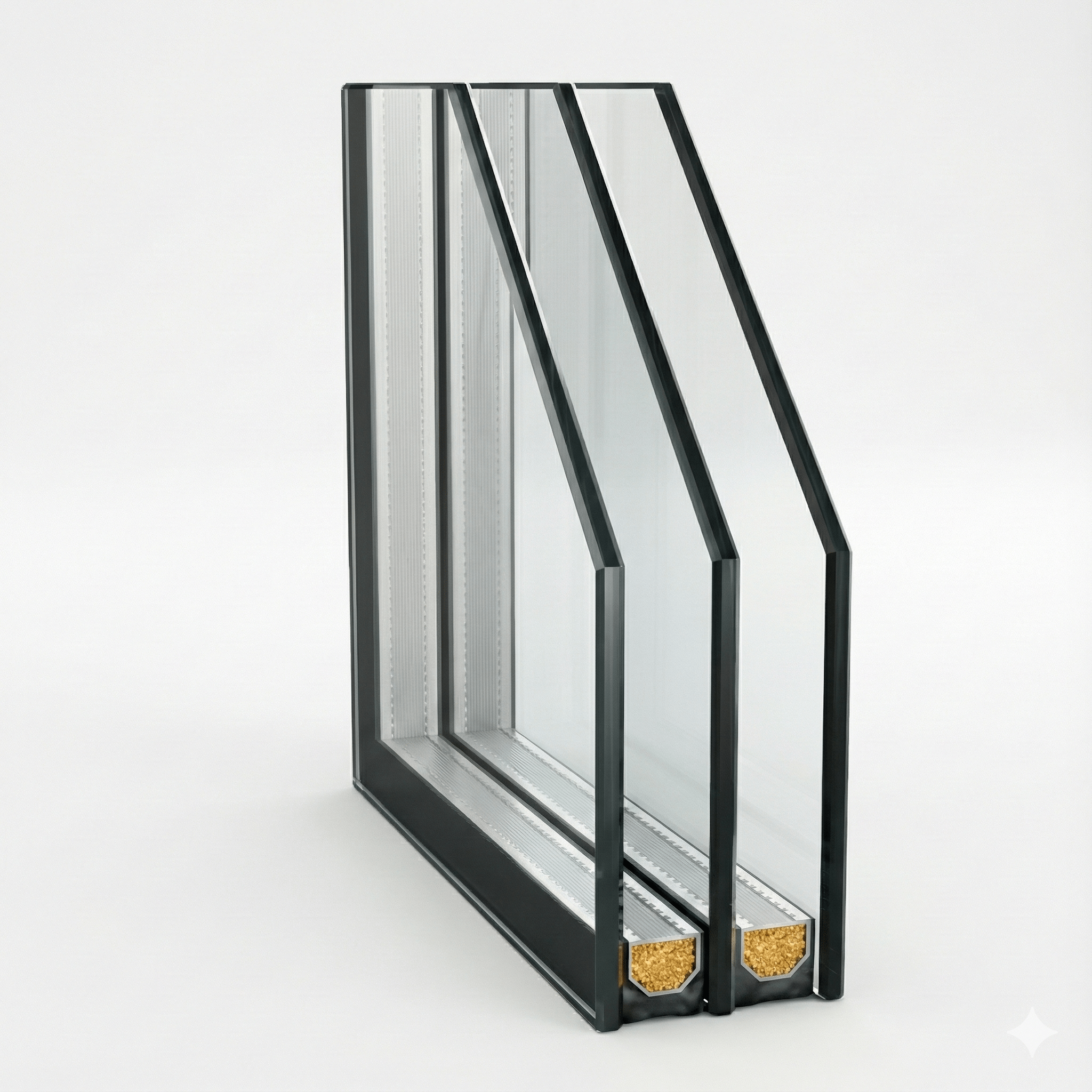
- Compatible with DGU, laminated, and toughened processing
- Glass Type: Heat-absorbing tinted float glass
- Shades: Grey, Bronze, Blue, Green
- Light Transmission: 20% – 60% (depending on shade)
- Solar Heat Absorption: Up to 50%
- U-Value: 5.6 W/m²K approx.
- Processing Options: Toughened, Laminated, DGU, Insulated
- Standards: Follows BIS / ASTM architectural glass specifications
faq
What is tinted glass used for in buildings?
Tinted glass is used for façades, windows, skylights, interiors, and commercial glazing to reduce heat and enhance aesthetics.
Does tinted glass reduce heat inside a room?
Yes, tinted glass absorbs solar heat and significantly lowers indoor temperature, reducing cooling costs.
Can tinted glass be toughened or laminated?
Absolutely—tinted glass can be toughened, laminated, double-glazed, or insulated for higher safety and performance.
Is tinted glass good for privacy?
Yes, darker shades offer excellent daytime privacy by reducing outside visibility.
Which colors are available in tinted glass?
Common color options include grey, bronze, blue, and green, suitable for both modern and traditional architecture.
application photos
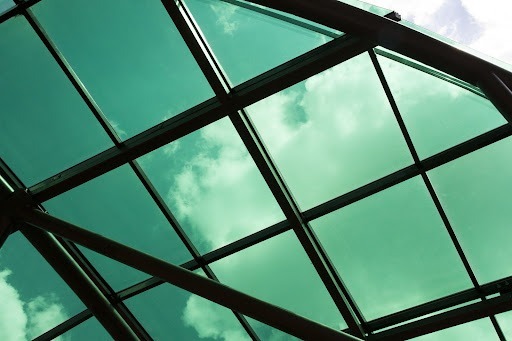
Tinted glass is widely used in building facades and sun-facing windows to control heat and enhance the building’s architectural appeal. Its heat-absorbing properties significantly lower solar radiation, making interiors cooler and energy efficient. This helps reduce reliance on air-conditioning during peak sunlight hours. The tinted surface minimizes glare, improving visual comfort for residents and employees. It also offers daytime privacy without compromising natural daylight. Façades clad with tinted glass achieve a clean, modern, and uniform exterior look. The material protects indoor furnishings from UV damage, extending their lifespan. Builders prefer it for high-rise buildings due to its strength and thermal performance. Different shades such as grey, bronze, and blue add a premium aesthetic effect. The glass is compatible with toughened and laminated variants for improved safety. It gives the structure a stylish, contemporary identity while supporting green building standards. Overall, tinted glass delivers both functional and visual advantages for commercial and residential facades.
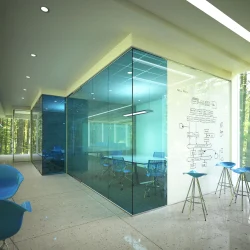
Office towers and commercial high-rises rely heavily on tinted glass for window glazing and exterior cladding. It reduces solar heat gain, ensuring a more comfortable working environment throughout the day. Lower interior temperatures help businesses save on cooling expenses. The glare reduction improves screen visibility, preventing eye strain for office staff. Its sleek tone enhances the professional look of corporate buildings. Tinted glass contributes to privacy by limiting outside visibility, which is ideal for meeting rooms and conference spaces. Its durability ensures long-term performance even in harsh climates. The glass integrates well with curtain wall systems, structural glazing, and aluminum frames. UV filtering protects interior furnishings and electronic equipment. Different color options allow architects to create distinctive building identities. It also supports environmental efficiency goals by reducing energy consumption. Tinted glass is a preferred choice for modern commercial architecture due to its functionality and refined appearance.
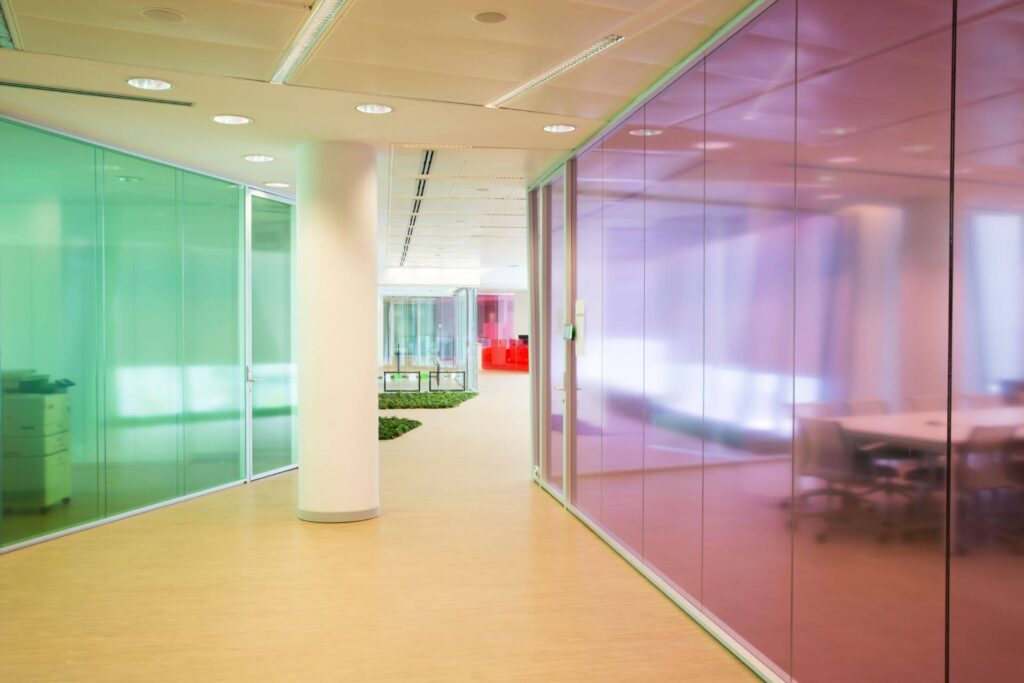
Tinted glass is highly beneficial for homes, especially balconies and sun-facing windows where heat and glare are major concerns. It lowers the indoor temperature by absorbing solar energy, making living spaces more comfortable. Homeowners appreciate the improved privacy that tinted glass provides during daytime hours. The reduced glare enhances visibility for TVs, computers, and mobile devices. Its UV-blocking ability prevents fading of curtains, sofas, flooring, and artwork. The aesthetic appeal of tinted glass enhances modern home designs and exterior styling. Different shades give homeowners flexibility in choosing the best look for their architecture. Tinted glass is also safer, as it can be toughened or laminated for added strength. It helps reduce electricity usage by minimizing cooling needs. For balconies, tinted railings and panels add a premium touch while offering heat filtration. Its long-term durability makes it a reliable material for residential installations. Overall, tinted glass improves comfort, style, and performance in modern homes.
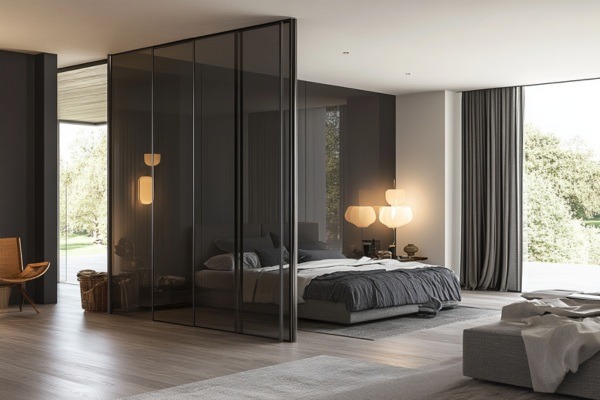
Showrooms and retail spaces use tinted glass to create an attractive and controlled lighting environment. It helps reduce harsh sunlight, ensuring a pleasant shopping experience for customers. The privacy level it provides prevents direct visibility into the store while maintaining clarity from inside. Its UV resistance protects premium merchandise such as clothing, electronics, and accessories from fading. Tinted glass gives storefronts a premium, modern aesthetic that helps brands stand out. Retailers prefer it for its ability to highlight displays without excessive glare. It improves the energy efficiency of showrooms by reducing heat penetration. The glass integrates well with sliding systems, automatic doors, and large storefront frames. Available in multiple shades, it allows brands to create a signature façade. Its strength and durability make it suitable for high-traffic commercial zones. Tinted glass also enhances safety when toughened or laminated. Overall, it’s a perfect fit for premium showrooms and commercial outlets.
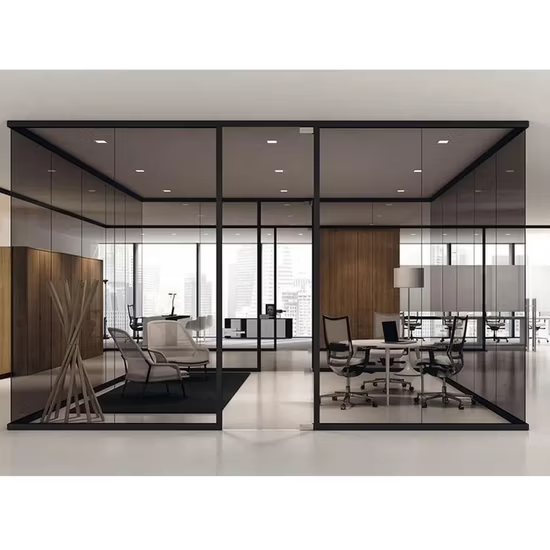
Tinted glass is becoming increasingly popular for interior partitions, decorative wall panels, and premium accents in homes and offices. Its soft, tinted look adds a sense of sophistication to interior spaces. It allows light to pass through while offering subtle privacy for meeting rooms, cabins, and personal spaces. The reduced glare contributes to a more comfortable indoor environment. Tinted glass enhances the aesthetics of modern interiors with its sleek, colored finish. It works beautifully in feature walls, backlit panels, and designer partitions. When paired with LED lighting, it creates dramatic visual effects. Architects choose it for its durability and long-lasting surface clarity. The glass resists stains and fading, making it perfect for long-term décor. It blends well with stainless steel, wood, and aluminum frames. Available in various shades, it suits different themes from minimalist to luxury. Its versatility and elegance make tinted glass a top choice for premium interior design applications.